Daocheng Yading, a UNESCO World Heritage site in Sichuan’s highlands, faced critical transportation issues:
Environmental Impact: Traditional fuel vehicles struggled with oxygen-depleted air, causing emissions and noise pollution in fragile ecosystems.
Operational Limitations: Steep terrain and long distances between attractions led to low efficiency and long wait times.
Visitor Experience: Static transport options failed to meet the demands of modern tourists.

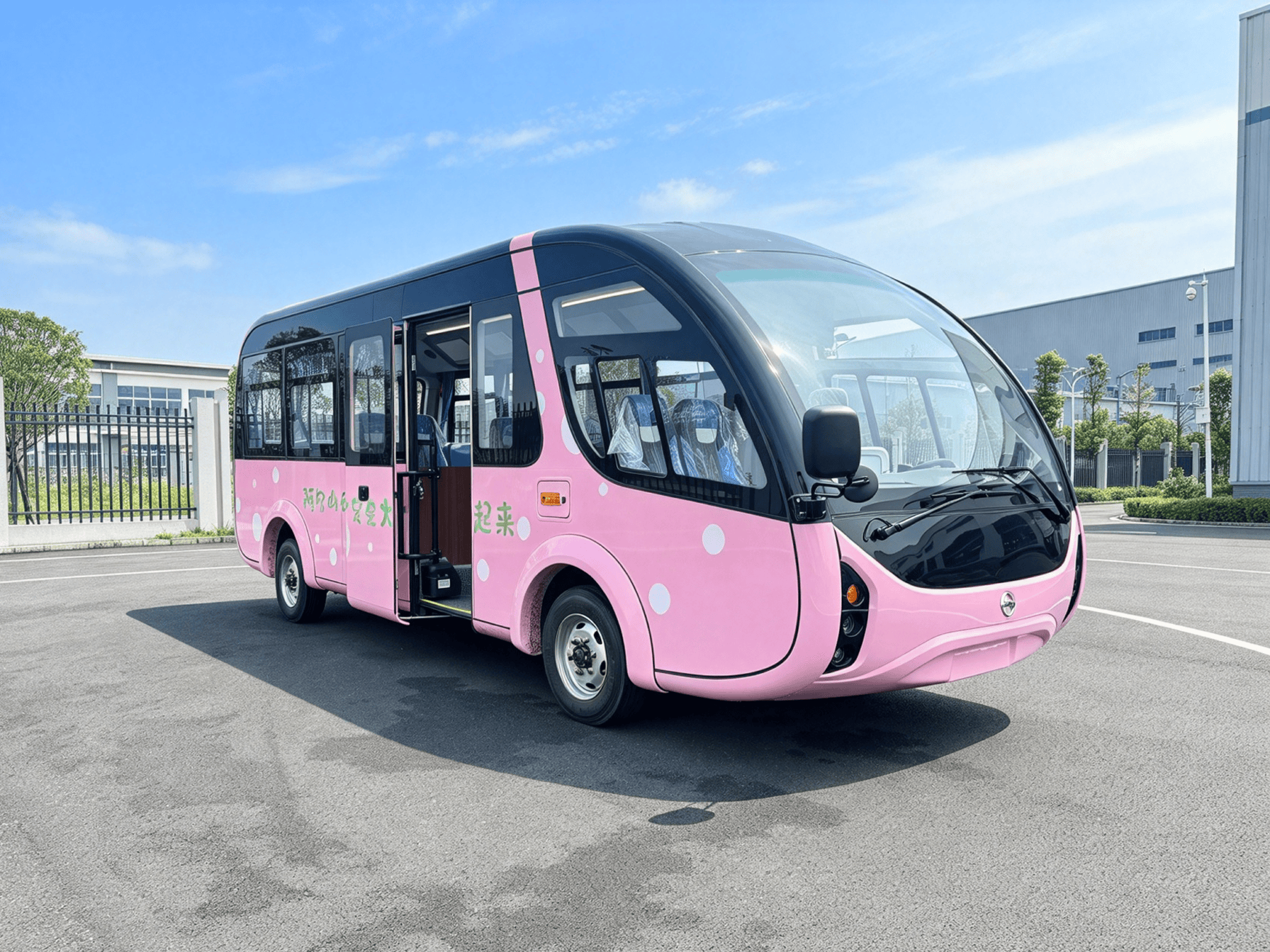
Customized Design: 15-seat minibuses with Tang Dynasty-inspired aesthetics, blending seamlessly with the natural landscape.
Advanced Battery Technology: Lithium iron phosphate batteries ensure reliable performance in thin air, with a 100 km range and zero emissions.
Intelligent Energy Management: AI-driven energy recovery system optimizes power usage on slopes, enhancing efficiency.
Low Maintenance: Simplified electric drivetrain reduces upkeep costs compared to fuel vehicles.
Environmental: Eliminates tailpipe emissions, preserving the pristine high-altitude environment.
Economic: Low operating costs due to efficient energy use and minimal maintenance.
Operational: Improved connectivity between key sites, reducing wait times and boosting visitor flow.
Cultural Integration: Onboard multimedia guides enrich the travel experience with local heritage storytelling.
Proven Performance: Successfully tested in Daocheng Yading’s challenging conditions, ensuring reliability.
Scalability: Ready for deployment in other high-altitude or heritage sites with similar terrain.
Future-Ready: Lays groundwork for autonomous driving upgrades in remote areas.
Expertise in Extreme Conditions: Specialized solutions for high-altitude, high-humidity, and steep-slope environments.
Cost-Effective: Economical per-kilometer costs and easy charging make it ideal for remote locations.
Eco-Friendly: Aligns with global sustainability goals for heritage sites.